
Fabric Files
Explore sustainable materials. Fabrics are have listed from high to low sustainablity.
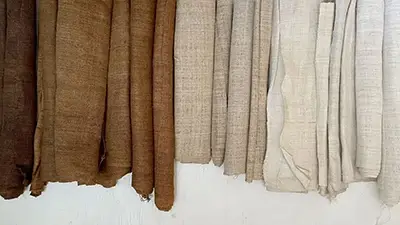
Hemp
Natural fibre from the hemp plant; requiring minimal water and no pesticides to grow.
Common in:
T-shirts, button-downs, summer dresses, trousers, hoodies, light jackets, hats.
Benefits:
- Breathable
- Durable and long-lasting
- Biodegradable
How to Care:
- Machine wash cold on gentle cycle
- Avoid bleach and harsh detergents
- Air dry, avoid tumble drying
- Iron while slightly damp for best results
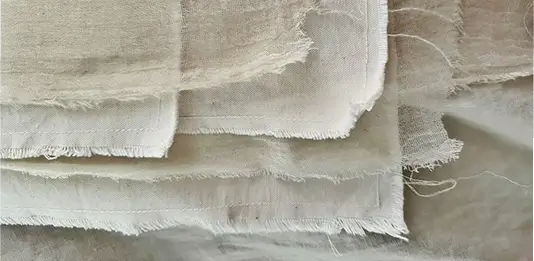
Linen
Made from flax plants, linen is biodegradable and one of the oldest textiles.
Common in:
Shirts, blouses, dresses, trousers, skirts, suits, summer jackets.
Benefits:
- Requires minimal water
- Fully biodegradable
- Gets softer with each wash
- Long-lasting
How to Care:
- Machine gentle wash or hand wash
- Air dry flat or line dry
- Iron while damp
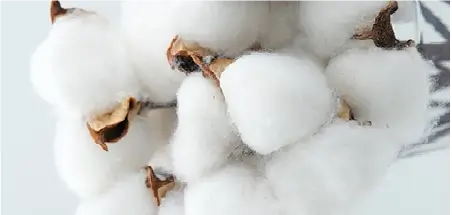
Organic Cotton
Grown without harmful pesticides and synthetic fertilisers, using methods that have a low impact on the environment.
Common in:
T-shirts, hoodies, underwear, socks, lightweight sweaters.
Benefits:
- Biodegradable and renewable
- Uses 91% less water than conventional cotton
- No toxic chemicals in production
- Softer and hypoallergenic
How to Care:
- Machine wash cold with similar colours, as it's a natural fibre and prone to shrinkage.
- Avoid tumble drying, cotton is best dryed flat or line dried. This also prevents the need for ironing.
- If ironing is needed, it's recommened to do so on low heat.
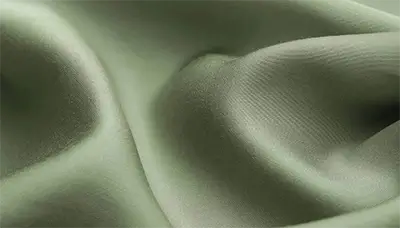
Tencel
Cellulose fibre from sustainably sourced wood using closed-loop processing.
Common in:
Dresses, blouses, pants, sleepwear, activewear.
Benefits:
- Biodegradable
- moisture-wicking
- Soft and breathable
How to Care:
- Turn your clothes inside out before putting them in the washing machine
- Machine wash cold on delicate cycle
- Use mild detergent
- Hang to dry, can be tumble dried if necessary
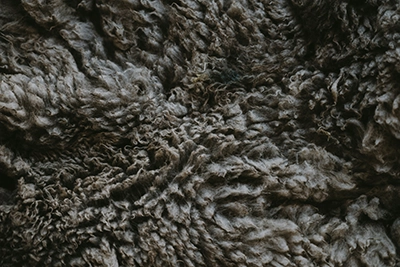
Wool
Natural fibre from sheep, can be renewable and biodegradable when produced ethically.
Common in:
Sweaters, coats, suits, hats, scarves, socks.
Benefits:
- Renewable and biodegradable
- Temperature regulating
- Naturally wrinkle-resistant
How to Care:
- Hand wash cold or dry clean
- Use wool-specific detergent
- Lay flat to dry, never wring
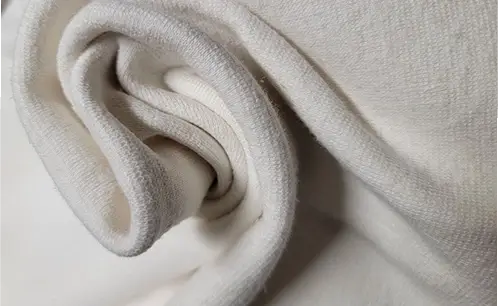
Recycled Cotton
Cotton reclaimed from textile waste, reducing the need for virgin cotton production.
Common in:
T-shirts, denim, hoodies, totebags, etc.
Benefits:
- Diverts textile waste from landfills
- Saves water and energy
- Circular fashion solution
How to Care:
- Machine wash cold on gentle cycle
- Use mild detergent
- Tumble dry low or line dry
- Wash inside out to reduce wear
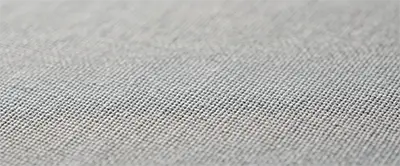
Recycled Polyester
Made from recycled plastic bottles and textile waste, reducing petroleum use.
Common in:
Activewear, fleece, puffers, leggings, sportswear.
Benefits:
- Diverts plastic waste from landfills
- Uses less energy than virgin polyester
- Durable and quick-drying
How to Care:
- Machine wash cold on gentle cycle
- Use a microfibre-catching bag to catch microfibers
- Air dry when possible
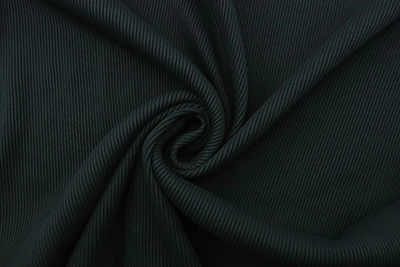
Modal
A type of rayon made from beech tree pulp.
Common in:
Underwear, loungewear, leggings, T-shirts, sleepwear.
Benefits:
- Biodegradable
- Requires minimal water
- Breathable and moisture-wicking
- Resistant to pilling and fading
How to Care:
- Machine wash cold on delicate cycle
- Avoid bleach
- Avoid tumble drying on high heat, line or air dry if possible
- Iron on low heat if needed

Silk
Natural protein fibre, biodegradable but production can have ethical concerns.
Common in:
Blouses, dresses, scarves, lingerie, eveningwear.
Benefits:
- Biodegradable
- Hypoallergenic and temperature-regulating
- Long-lasting with proper care
How to Care:
- Hand wash cold or dry clean
- Use gentle detergent
- Lay flat to dry away from sunlight
- Iron inside out on low heat
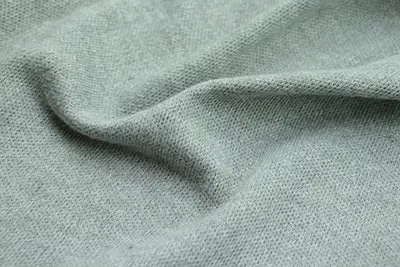
Cashmere
Luxury fibre from cashmere goats.
Common in:
Sweaters, cardigans, scarves, shawls, hats, gloves, loungewear.
Benefits:
- Biodegradable
- Extremely warm and lightweight
- Long-lasting when cared for properly
How to Care:
- Hand wash cold or dry clean
- Use cashmere-specific detergent
- Lay flat to dry
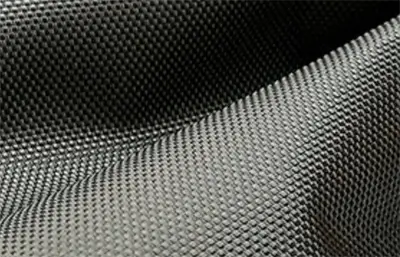
Econyl
Regenerated nylon made from fishing nets and other nylon waste.
Common in:
Swimwear, leggings, outerwear shells, sports shorts.
Benefits:
- Rescues ocean waste
- Infinitely recyclable
- Same quality as virgin nylon
How to Care:
- Machine wash cold
- Use a micofibre-catching bags to catch microfibers
- Air dry or tumble dry low
- Avoid ironing
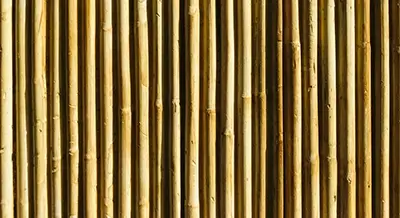
Bamboo Viscose
Bamboo mechanically processed into pulp then chemically turned into viscose.
Common in:
Underwear, leggings, socks, pajamas.
Benefits:
- Requires minimal water
- Soft and breathable
How to Care:
- Machine wash cold on gentle cycle
- Avoid bleach
- Line dry or tumble dry low
- Iron on low if needed